
01
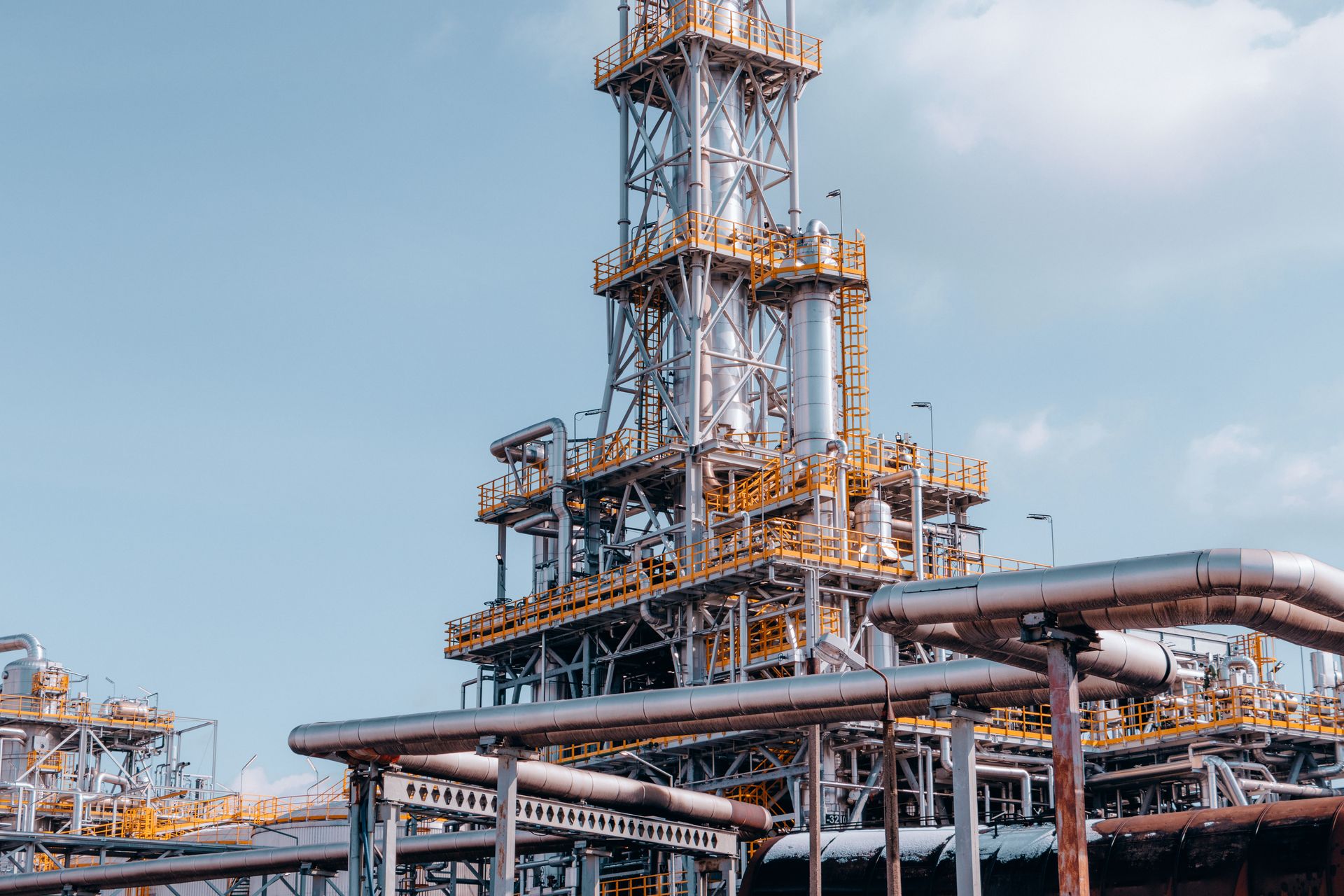
Petrochemical Sector
Petrochemical AutomationUAE
Petrochemical automation UAE projects combine high-precision measurement with strict safety requirements, so polymer, fertilizer and chemical plants can run continuously without putting people or equipment at risk. General Tech Automation ( GTA ) , based in Sharjah, supports plant operators, maintenance contractors and EPC teams with instrumentation, analyser support, PLC and DCS work, safety system testing and commissioning.
What Is Petrochemical Automation?
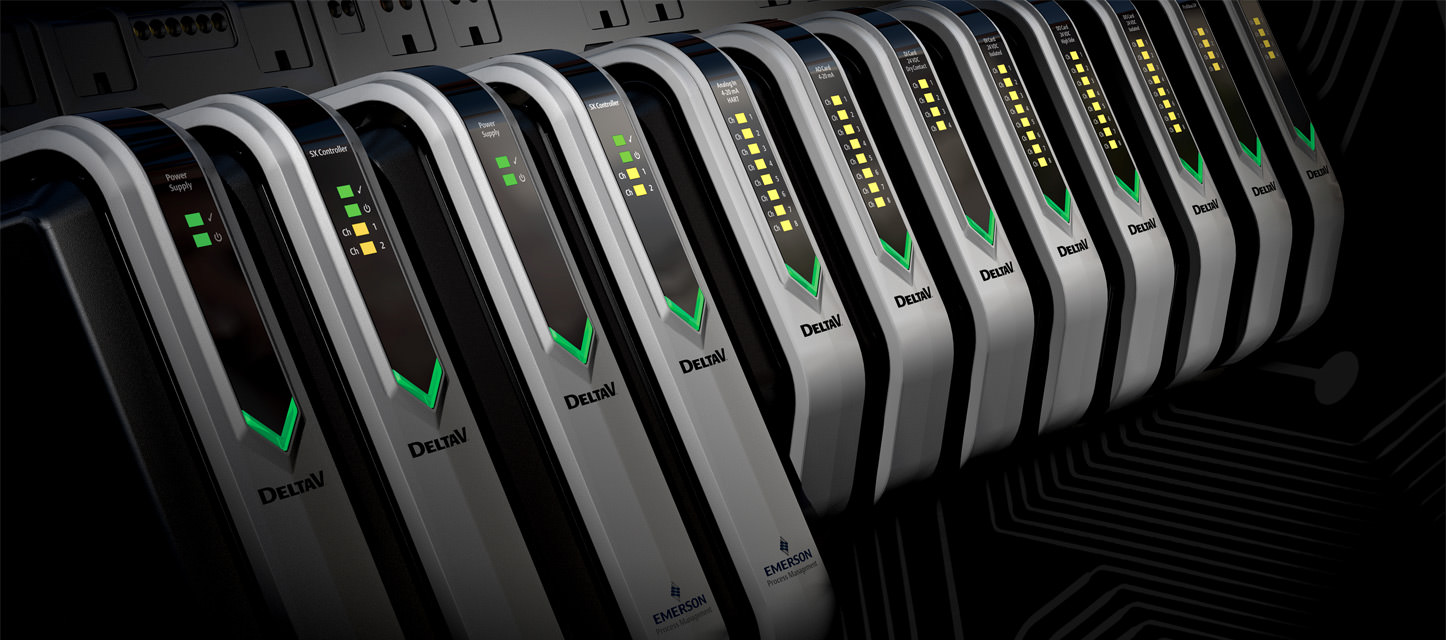
What is petrochemical automation? It is the use of instruments, analysers, control systems and safety systems to convert hydrocarbons into chemicals, polymers and fertilizers under tight control of temperature, pressure, flow and composition. A typical petrochemical automation UAE system runs continuous or batch reactions automatically, alarms when a value drifts and trips the process to a safe state if limits are exceeded. The aim is stable product quality, safe operation and high plant availability. In petrochemical automation UAE facilities, a single faulty transmitter or analyser can push product out of specification or trigger an unplanned shutdown, so measurement accuracy matters as much as control logic. For upstream fields, pipelines and refineries, see our oil and gas automation UAE page.
systems and safety systems to convert hydrocarbons into chemicals, polymers and fertilizers under tight control of temperature, pressure, flow and composition. A typical petrochemical automation UAE system runs continuous or batch reactions automatically, alarms when a value drifts and trips the process to a safe state if limits are exceeded. The aim is stable product quality, safe operation and high plant availability. In petrochemical automation UAE facilities, a single faulty transmitter or analyser can push product out of specification or trigger an unplanned shutdown, so measurement accuracy matters as much as control logic. For upstream fields, pipelines and refineries, see our oil and gas automation UAE page.
Benefits of Petrochemical Automation
For most plants, petrochemical automation UAE projects pay back through five practical gains:
Consistent product: reactors and blending run to the same conditions on every shift.
Safer operation: interlocks, alarms and safety functions act faster than any operator.
Higher availability: early warning from instruments and analysers prevents unplanned trips.
Lower energy and feedstock use: tighter control reduces off-specification product and rework.
Audit-ready records: test results, calibrations and alarm history are stored for review.
Where Automation Applies in Petrochemical Plants Chemical plant automation UAE covers continuous processes, batch reactions, utilities and storage. The table below shows where each petrochemical automation UAE application usually fits.
Area Typical equipment Key automation applications Reaction and processing Reactors, columns, heat exchangers Temperature and pressure control, interlocks Analysis and quality Gas chromatographs, analyser shelters Analyser maintenance, sample systems Utilities and rotating equipment Compressors, pumps, cooling water Machine control, protection, monitoring Storage and blending Tanks, dosing skids, loading bays Level monitoring, blending, metering Process Control and Reactors Petrochemical process control systems coordinate feed, reaction, separation and product handling. Reactor temperature and pressure control keeps exothermic reactions inside safe limits, using cascade and override strategies where needed. Chemical batch reactor control runs charging, heating, holding and discharge steps to a recipe, recording every phase. Loop tuning and control optimisation reduces oscillation and keeps key variables closer to target. Reactors are where petrochemical automation UAE has the greatest effect on yield and safety.
Polymers and Fertilizers Polymer plant automation controls catalyst feed, reactor conditions, extrusion and pelletising, where small deviations change product grade. Fertilizer plant automation covers synthesis loops, granulation, drying and bagging. Both depend on reliable instruments and fast response to alarms. In petrochemical automation UAE projects for these plants, grade changes and start-ups need the most careful control. See our batch and recipe control example.
Analysers and Gas Measurement Composition measurement decides product quality. Our process analyser system maintenance covers sample conditioning, calibration gases and fault finding. Gas chromatograph and analyser shelters need stable temperature, ventilation and gas detection, which we check as part of routine support. Gas measurement skid commissioning verifies meters, transmitters and flow computers before a skid enters service. For petrochemical automation UAE sites, analysers are often the instruments most in need of regular care. See our measurement commissioning and start-up service.
Storage, Dosing and Blending Chemical storage tank monitoring tracks level, temperature and high-level alarms to prevent overfills, a core safety layer in any petrochemical automation UAE storage area. Chemical dosing and blending automation meters additives and components in the right ratio, with each batch recorded. See our chemical dosing control and remote tank level monitoring examples.
Our Petrochemical Automation UAE Services
PLC, DCS and Alarm Management Petrochemical PLC programming UAE covers package controls, interlocks and fault finding on major platforms. DCS migration petrochemical plant projects move ageing systems to current platforms in phases, with logic mapped and tested before cut-over. Alarm management petrochemical plants reduces nuisance alarms so operators see what matters during upsets. Every change in our petrochemical automation UAE work is backed up and documented under your management-of-change procedure. See our PLC programming services .
Safety Systems and Ex Equipment Our SIS proof testing petrochemical support helps confirm that safety functions still trip as designed, with results recorded against the safety requirements specification. Our Ex-certified control panels for chemical plants use certified enclosures and components suited to the area classification. Gas detection is often part of the same scope; see our gas detection and area monitoring example. Safety work is where petrochemical automation UAE projects must be documented most carefully.
Instrumentation, Valves and Rotating Equipment Petrochemical instrumentation calibration covers pressure, temperature, flow and level instruments with traceable certificates. Reliable instruments are the foundation of every control loop and safety function. Control valve diagnostics uses smart positioner data to find sticking, wear and air leaks before they affect control. Compressor and pump control petrochemical covers start permissives, protection and monitoring for critical rotating equipment. WirelessHART instrumentation petrochemical adds measurements in hard-to-reach areas without new cable runs. See our field instrumentation services and wireless plant network support .
Turnarounds, Data and Security Turnaround and shutdown instrumentation support provides engineers for calibration, loop checks and safety system testing during planned shutdowns. Petrochemical plant asset data management keeps instrument records, tag history and calibration data in one place. OT cybersecurity for petrochemical control systems covers user access, backups and network separation. In petrochemical automation UAE projects, good records make the next turnaround faster. See our asset data management services .
Timelines
Typical Project Timelines
International and regional clients often ask how long automation work takes. These are typical ranges confirmed by your site survey.
01 / 08 STAGES
- Within 24 - 48 hours
Site survey and assessment
Site survey and assessment: typically completed within 24 - 48 hours.
- 3 - 5 working days after survey
Scoped proposal
Scoped proposal: typically completed 3 - 5 working days after survey.
- 1 - 2 days on site
Analyser fault diagnosis
Analyser fault diagnosis: typically completed 1 - 2 days on site.
- 1 - 3 weeks, by tag count
Instrument calibration campaign
Instrument calibration campaign: typically completed 1 - 3 weeks, by tag count.
- 3 - 7 days
Gas measurement skid commissioning
Gas measurement skid commissioning: typically completed 3 - 7 days.
- 1 - 3 weeks, by function count
SIS proof testing
SIS proof testing: typically completed 1 - 3 weeks, by function count.
- 4 - 8 weeks
Ex-certified control panel
Ex-certified control panel: typically completed 4 - 8 weeks.
- 3 - 9 months, phased
DCS or PLC migration
DCS or PLC migration: typically completed 3 - 9 months, phased.
Lead times, permits and shutdown windows affect timelines, so we plan schedules around your access approvals.
Standards and Good Practice
Petrochemical projects commonly reference IEC 61511 for safety instrumented systems, ISA - 18.2 for alarm management, IEC 60079 for hazardous-area equipment and IEC 62443 for control system security. We scope every petrochemical automation UAE job to the standards your operator or licensor applies, and we hand over test records, loop sheets and calibration certificates.
Why GTA
Why Choose GTA for Petrochemical Automation UAE?
One engineering team across survey, build, commissioning and after-sales support.
24–48h
Site Assessment
10+
Years Experience
100%
Tested Rigs
02
Permit-ready engineers
03
Turnaround support
04
Fast assessment
05
Documented support
Continuity of engineering keeps response times fast and execution reliable.
UAE Coverage
Serving Dubai, Abu Dhabi, Sharjah & Northern Emirates
Our Sharjah workshop and engineering base gives quick road access across the Emirates.
Our Sharjah base gives quick road access for petrochemical automation UAE call-outs across the Emirates. We provide petrochemical automation Abu Dhabi support for industrial areas such as Ruwais, ICAD and KEZAD, and petrochemical automation Dubai support for chemical plants and terminals in areas such as Jebel Ali. Local clients use our petrochemical automation Sharjah team for fast response in Hamriyah and Sharjah's industrial areas. International EPC contractors and licensors working in the UAE use us as their local petrochemical automation UAE partner for commissioning support and after-sales service.
Dubai
Abu Dhabi
Sharjah & Northern Emirates
International & EPC Partners
FAQ
Frequently Asked Questions
Common questions about our petrochemical automation uae capabilities in the UAE.
Petrochemical automation
Yes.
Yes.
Yes.
In most cases, yes.
Most skids take 3 - 7 days to commission, depending on size and instrument count.
Get in touch
Talk to a Petrochemical Automation UAE Engineer
Tell us about your plant, your process and the problem you need solved. Our team will arrange a survey and return a clear scope for your petrochemical automation UAE project.